
Five Signature Cases
Five Signature Cases
Across three decades, Chocolate Moose Media has used animation and storytelling to address some of the world’s most difficult social and humanitarian challenges. These five signature cases illustrate how the work moved beyond awareness to influence behaviour, reduce harm and reach audiences across cultures and languages.
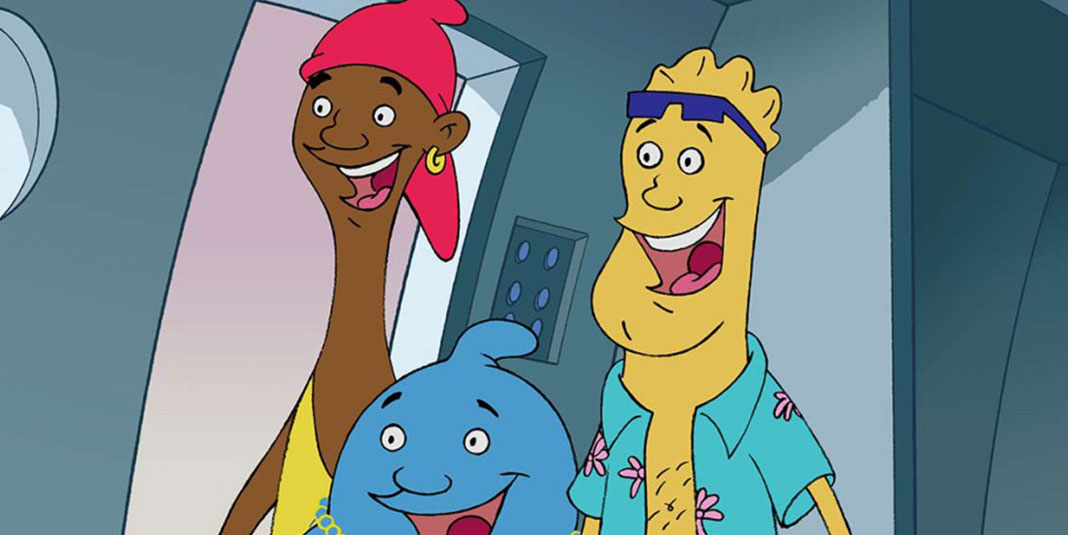
The Three Amigos
Using humour and memorable characters to make safer sex and HIV prevention understandable and engaging.
Explore the Case Study
Buzz and Bite
Turning mosquitoes into comic antagonists to help prevent malaria and save lives.
Explore the Case Study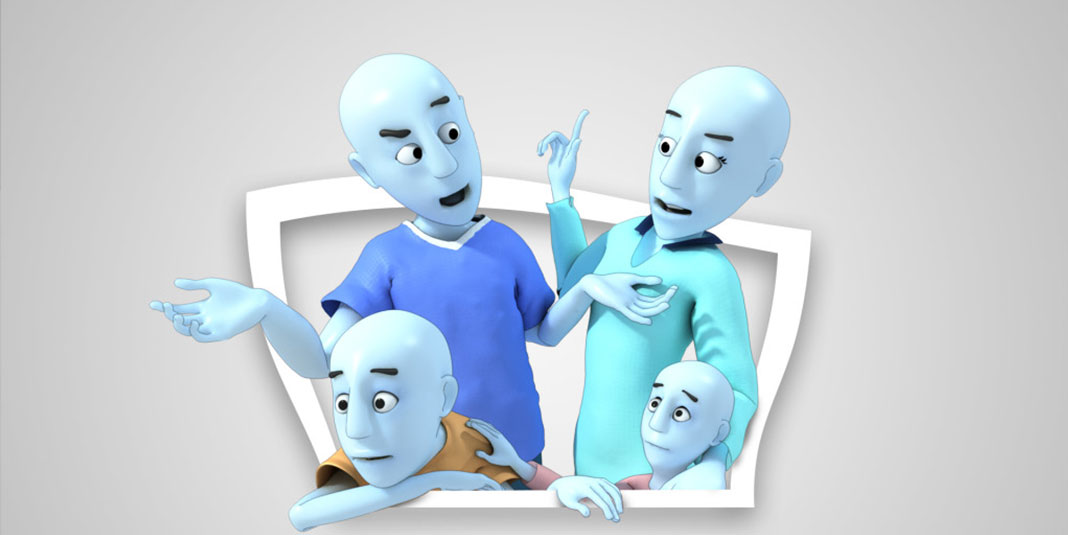
No Excuses
Using animations and humour to challenge violence and shift attitudes, directly addressing perpetrators rather than victims.
Explore the Case Study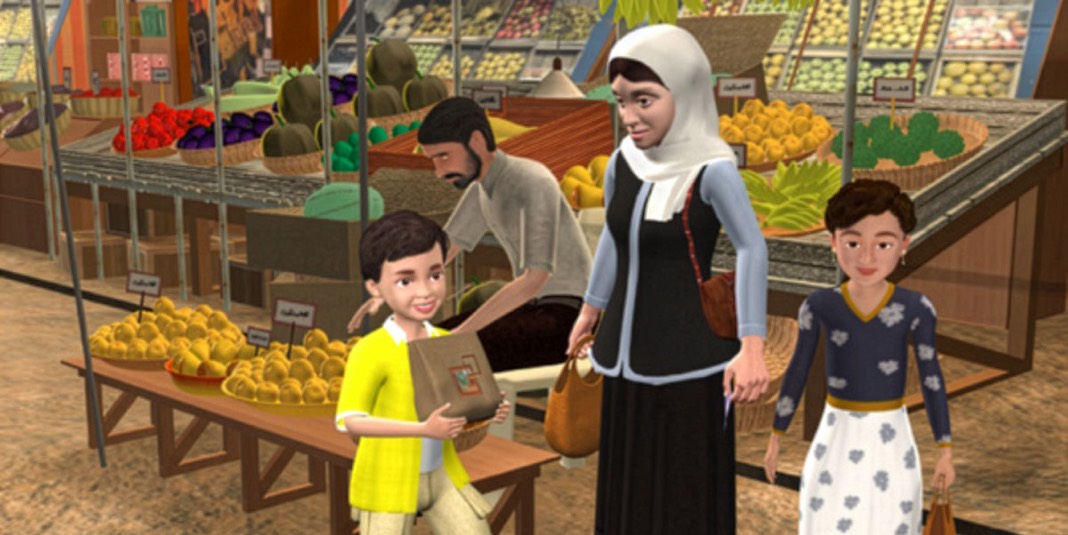
Hind and Hamza
A unique series of 46 animated shorts created for Arabic-speaking children, using stories to explore shared human values including gender equality, acceptance of others, racism prevention, open dialogue, honesty and the prevention of child labour.
Explore the Case Study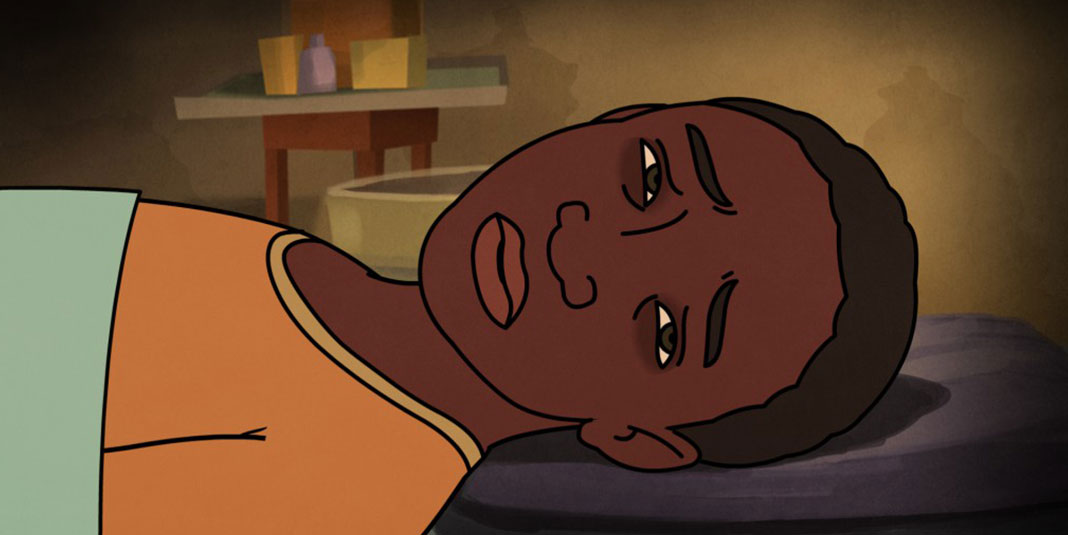
Four Films from Containment and Prevention to Safe Funerals
Addressing disease prevention, stigma and fear with clear, compassionate, culturally relevant storytelling.
Explore the Case StudyWhat the five cases demonstrate
These five cases show a distinctive and pioneering model of humanitarian communication – one that puts people, behaviour and cultural understanding at the centre, and uses creative media to make complex ideas simple, engaging and actionable.
Animation as a problem-solving tool
Animation wasn’t simply a creative style. It was used to make complex, frightening or sensitive subjects understandable and approachable.
Behaviour, not just awareness
The work began with the behaviour or attitude that needed to change, rather than simply communicating information.
Designed for localization
Ideas were adapted across languages and cultures, with localization treated as part of the intervention rather than an afterthought.
Willingness to tackle taboo subjects
From HIV/AIDS and sexual behaviour to domestic violence, racism and stigma, the work addressed subjects conventional communications often avoided.
Open access by design
Making productions freely available allowed broadcasters, NGOs, governments, schools and community organizations to use and redistribute them.
Scale without a large institution
A relatively small organization created work that could be translated, broadcast and distributed through much larger networks around the world.