
About Us
ABOUT CHOCOLATE MOOSE MEDIA
Chocolate Moose Media is an animation and documentary creator specializing in social and behaviour change media productions to better the human condition
Established in 1995, we create media through an international production process from our base in Ottawa, Canada

Firdaus Kharas
Firdaus Kharas – Founder & Chairman
Firdaus Kharas, OC, FRSA, D.Hum (hc) LL.D. (hc), is the visionary Founder of
Chocolate Moose Media. Since founding the social enterprise Chocolate Moose Media in 1995, Kharas has dedicated his career to tackling some of the world’s most pressing issues through innovative media solutions. His work focuses on fostering societal and individual behavioral change using human-centered communications that transcend cultural and national boundaries, all with the goal of improving the human condition with over 5,000 productions created.
Firdaus Kharas is a trailblazer in using animation for social change and has emerged as the world’s leading and most prolific individual producer and director of media dedicated to social good.
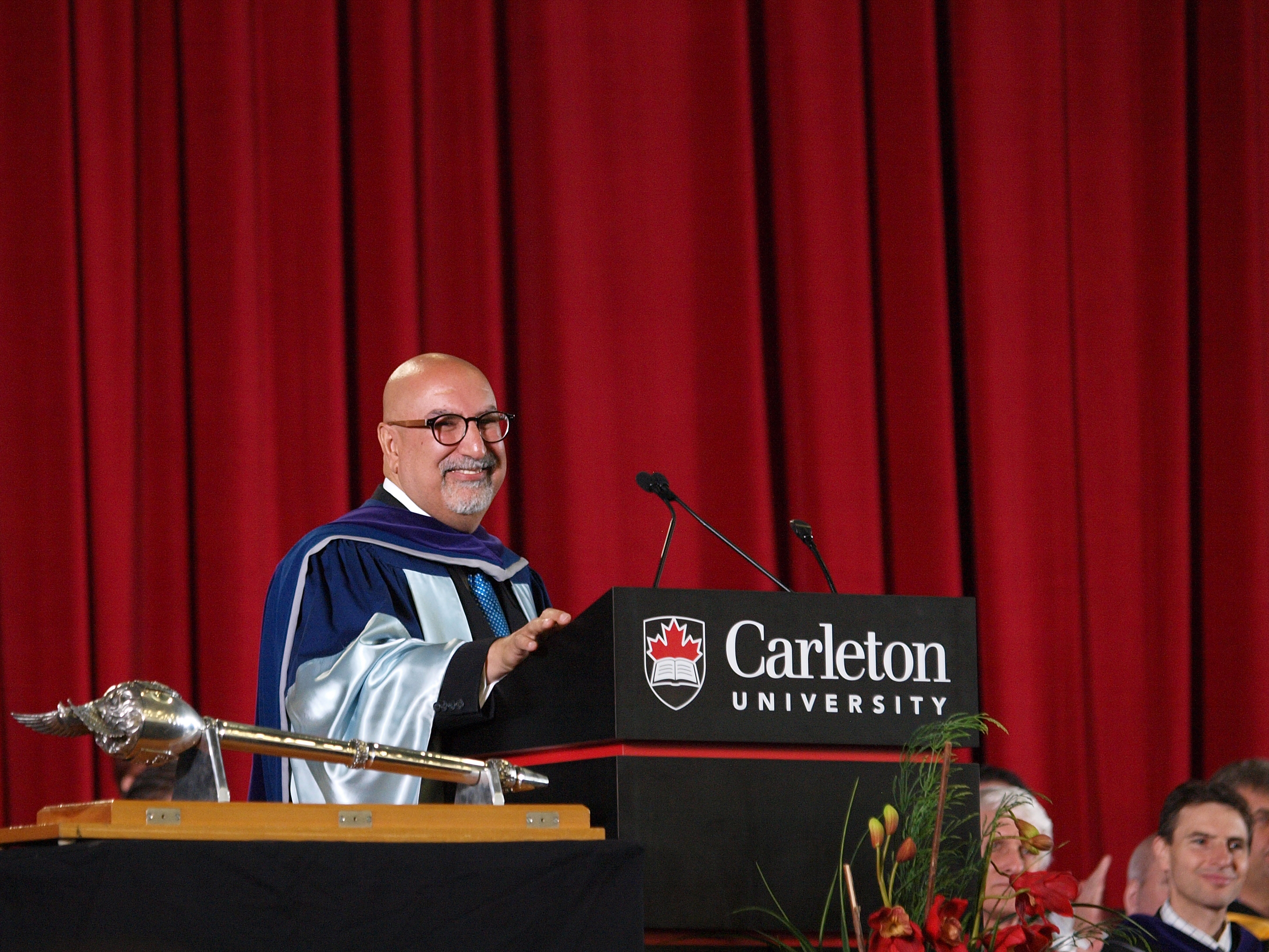
In addition to honorary doctorates, he has nine in-person degrees and certificates from eight universities, including Carleton, Harvard, the LSE, Thiel and Stanford.
He is the author of a book on creativity and the subject of a documentary. He has
traveled to 145 countries in every region of the world.
ISSUES IMPACTED
Capacity Building: – Animation production – Community support engagement – Documentary production – Media distribution – Overcoming barriers to communications – Producing mass communications – Types of animation – Using creativity
Culture: – African folktales – preservation of culture in Africa, the Middle East, and Asia – Preservation of culture
Education: – Children at risk – Cyber-security – Early childhood and middle children’s education – Early childhood education and values – Education for refugee children – Education in languages – Literacy promotion – Street children – Training in mass communications
Environment: – Asbestos eradication – Climate change – Conservation – Interaction with nature – Kindness to animals – Promoting biodiversity – Solar power – Sustainable energy for all – Water management
Governance: – Children’s rights under the international convention – Development and peace – Emergency and disaster preparedness- Engaging women in the peace process – Following laws – Human rights – Rights of children with diabetes – Universal values – Voting promotion
Health: – Caregivers to people with dementia – Clean energy – COVID-19 understanding and prevention – COVID-19 vaccines – Dangers of asbestos – Ebola containment and prevention – Guinea Worm eradication – HIV/AIDS education – HIV/AIDS prevention – Hypertension during pregnancy – Immunizations and vaccinations promotion- Liver disease prevention – Malaria prevention – Migraine disease – Migraine disease workplace changes- Obesity in children – Polio eradication – Research on dementia – Stigma against Ebola survivors – Stigma felt by COVID-19 healthcare workers – Type 1 diabetes – Vitamin A deficiency – Zika prevention
Housing: – Housing options – Safety in housing
Human Rights: – Anti-racism – Becoming anti-racist – Child camel jockeys – Child refugee claimants – Consequences and support for rape victims – Gender-based rights – Interacting with the police – Physical violence amongst teenagers – Racial discrimination – Racism – Rights of children with Type 1 diabetes – Sexual harassment – Sexual harassment within churches – Sexual violence – Universal rights
Maternal Health: – Health from pregnancy through the first 100 days of life – Infant mortality and health – Pregnancy – Safe births – Universal birth registration
Mental Health: – Emotional health and wellness – Managing and coping with stress – Mental health of Afghan refugees – Mental health of refugees – Mental health resources and support
Migration and Refugees: – Anti-fraud education – Asylum determination – Building support for refugees – Causes of refugees – Child refugees – Cultural orientation for refugees – Definition and causes of refugees – Displaced persons – First 90 days after arrival – Refugee application and adjudication systems – Refugee camps – Refugee re-settlement – Refugees rights and responsibilities – Safe spaces for refugees – Understanding and accepting refugees – Legal rights of refugees (human rights, education, medical, housing, employment) – Reducing violence amongst refugees and local populations
Universal Values: – Anti-bullying – Anti-racism – Attitudes towards victims of rape – Cultural tolerance – Gender equality – Honesty – Values for children
Violence: – Attitudes towards rape victims – Exploitation of children – Gender-related violence – Nuclear disarmament – Peace organizations – Perceived right to commit violence within families – Rape within families and conflict situations – Using culture as a justification for violence – Various forms of sexual abuse – Violence against children – Violence amongst teenagers
Selected Animated Productions
- Co-producer and Director of two shorts designed to encourage universal birth registration
- Creator and Director of a multilingual series on emotional health and wellness
- Creator and Director of a video directed at refugees on the Coronavirus COVID-19
- Creator and Director of a video on global Polio vaccination
- Creator and Director of a video on how to interact with the police in the United States
- Creator and Director of a video on prevention of the plague
- Creator and Director of a video on sexual harassment within churches worldwide, Whispering With Stones
- Creator and Director of a video on the effects of rape on women in Africa, A Plea to My Father
- Creator and Director of a video on the stigma felt by COVID-19 healthcare workers
- Creator and Director of a video supporting universal vaccinations of children
- Creator and Director of an animated video on COVID-19 vaccines, including community-based organizations
- Creator and Director of an animated video to reduce maternal mortality caused by hypertension in Africa and in Latin America
- Creator and Director of audio podcasts on COVID-19 vaccines
- Creator and Director of Buzz and Bite, a series to prevent malaria infection (launched at the United Nations in New York)
- Creator and Director of four videos entitled Becoming Anti-racist based on research by the University of Ottawa
- Creator and Director of Nan and Lili, the 300-episode first animated educational pre-school series in Arabic
- Creator and Director of Nature for All, a video designed to get people to interact with nature
- Creator and Director of several videos and audio podcasts on the United States refugee system, rights of refugees and cultural orientation for refugees
- Creator and Director of three animated shorts to build awareness of migraine disease
- Creator and Director of three animated videos to build community engagement for refugees in the US
- Creator and Director of three videos on Ebola containment, prevention, and stigma (for West Africa)
- Creator and Director of two videos on Ebola containment and prevention (for Central Africa)
- Creator and Director of two videos on housing options and safety for newcomers
- Creator and Director of two videos on the dangers of asbestos
- Creator and Director of two videos on violence and discrimination faced by teen-aged refugees in Ecuador
- Creator and Director of videos on nuclear disarmament, peace and development
- Creator of a series of videos on the rights of children with Type 1 diabetes
- Creator of a series on universal values for young children
- Creator of a video on violence against children and young women in Malawi
- Creator of No Excuses, a series to prevent domestic violence throughout the world (launched at the United Nations in New York)
- Creator of The Solar Campaign series designed to get people without electricity to switch from harmful sources of light like burning kerosene to clean solar lights
- Director and co-creator of The Three Amigos, a series to combat the spread of HIV/AIDS (launched at the United Nations in New York)
- Director and Executive Producer of the Magic Cellar series, the first animated series based on African culture
- Executive Producer and Writer of Honk, Toot and Swo-Swoosh, the early learning pre-school children’s series
- Producer of the iconic television series George of the Jungle (distributed by DreamWorks)
Selected Live Action Productions
- Co-producer of a series of individual documentaries on Canadian children at risk
- Creator and Director of Mental Health Context for Afghan Newcomers, an educational documentary for service providers
- Creator and Executive Producer of the 300-episode City of the Rich, Asia’s first English language daily soap opera
- Director and Interviewer of Women Standing Up for Rights, Peace and Plurality, a compilation of interviews with 22 women activists from conflict zones in the Middle East and Asia
- Director and Producer of Dementia: You Can Make A Difference, two videos on dementia
- Director and Producer of Pedro: A Child Without a Country commissioned by OMNI channel on a child refugee claimant from Africa in Canada
- Director and Producer of two documentary shorts on caregivers to people with dementia, No Thanks, We’re Fine (English) and Non Merci, Ça Va (French)
- Executive Producer of Canada’s Two Cents Worth, a documentary on the global Vitamin A program
- Executive Producer of Desert Riders, a feature-length documentary on child camel jockeys in the Middle East broadcast by the Canadian Broadcasting Corporation (CBC),
- Executive Producer of Odyssey: Behind the Myth a six-episode international documentary series based on Homer’s classic book
- Executive Producer of Working Animals, the 26-episode series aired on Discovery and Animal Planet channels
Dedicated to capacity building
For over 30 years Firdaus Kharas has been committed to improving the skills of media professionals around the world sharing his expertise, pro bono, via workshops, seminars and multi-month courses, particularly in Asia and Africa. Kharas’ commitment to sharing his vision and methodology also includes meeting with students, lecturing on mass communication, and speaking at festivals of film and television.
Kharas’ humanitarian work in countries other than his own includes organizing and leading a multi-faceted program in South Africa to train South Africans in producing, writing and animating. This capacity-building training aims to create a vibrant long-form animation industry capable of world-class story-telling.

Media
Firdaus Kharas is profiled in several publications including in many articles and Canadian Who’s Who.
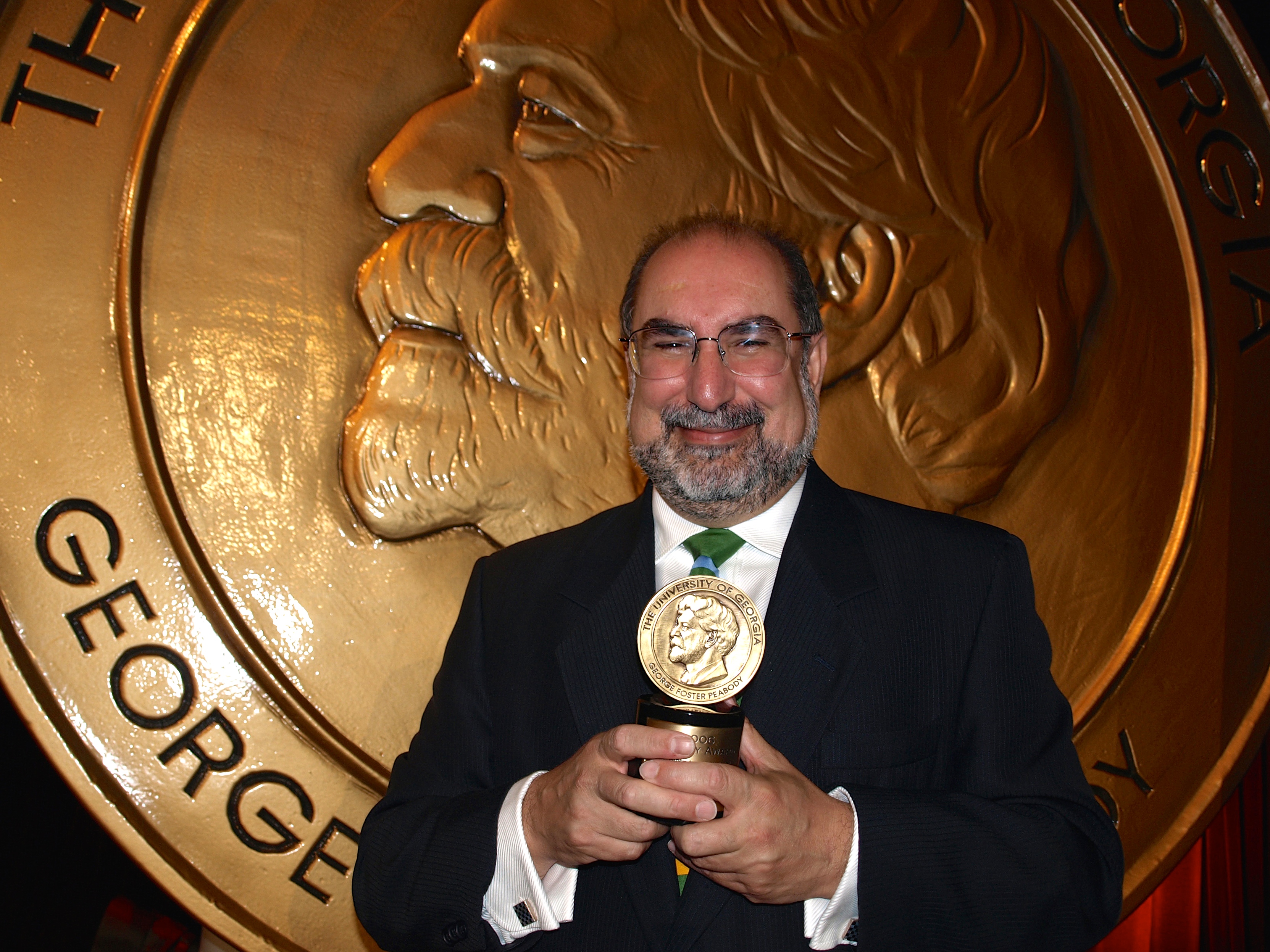
He has been profiled over 500 times by the world’s press, from The New Yorker, Reader’s Digest, MacLean’s and The Atlantic magazines to Rush Limbaugh’s radio show and dozens of other media around the world in several languages. His methods, particularly his methodology of linguistic adaptation and ability to create mass communication across cultural boundaries have regularly been the subject of academic study by students. Kharas and his work are noted in many books and publications and his work is in the permanent collection of several museums including the Smithsonian Institution, the world’s largest.
Hands on, in-country
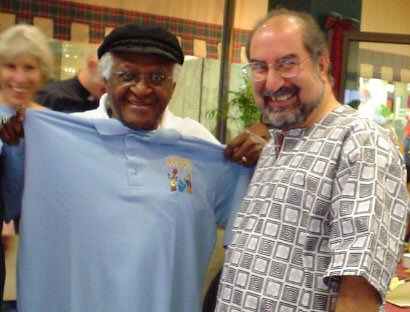
Firdaus Kharas has been instrumental in strengthening the media industries in Holland, India, Malaysia, Singapore and South Africa, by creating original television series in each of those countries and by training thousands of media professionals on his projects. Kharas has conducted in-country research for his humanitarian projects including talking to hundreds of mass rape victims, children’s rights activists, torture survivors, and doctors in small villages coping with epidemics. He has visited animation studios in Asia, war zones in Central America, refugee camps in South-East Asia, and medical facilities, NGOs, and youth centers in Europe, Africa and Asia.
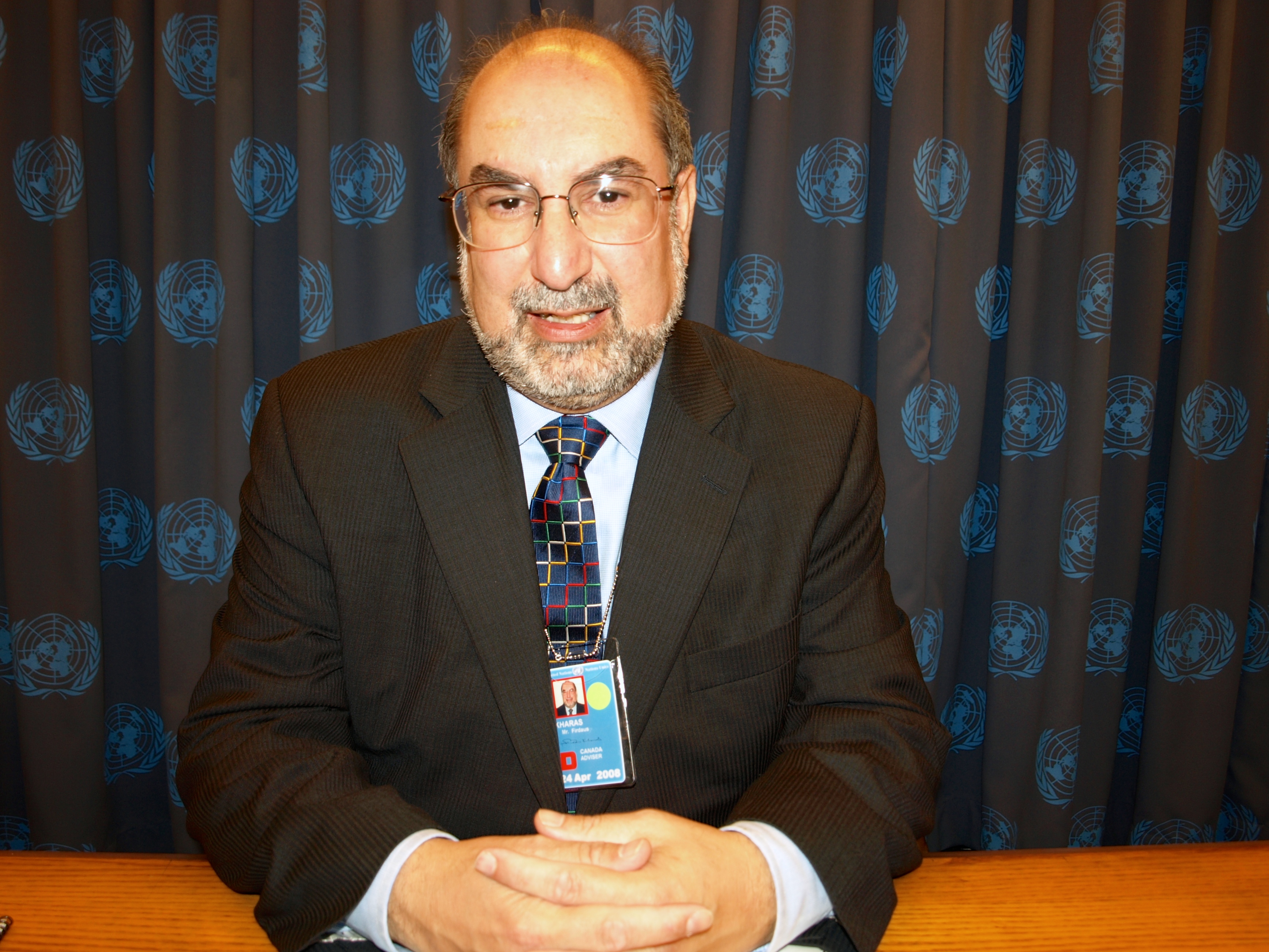
Kharas’ campaigns can be found in 390 language versions to date on the internet, including on the UN’s YouTube Channel. He has also appeared on television shows and radio programs in every continent.
Promoting policies of change
A member of several high level Canadian trade missions, Kharas has discussed broadcasting and content policies with foreign government Ministers and senior officials from around the world. Kharas was instrumental in impetus for film and television co-production treaties between Canada and South Africa, Singapore and India.
Education
In addition to honorary doctorates, Firdaus Kharas has earned nine degrees and certificates from eight educational institutions including:
- American University, USA
- Carleton University (Norman Paterson School of International Affairs), Canada
- Harvard University (Kennedy School of Government), USA
- London School of Economics (LSE), UK
- Stanford University (Center for Social Innovation, Graduate School of Business), USA
- Thiel College, Pennsylvania, USA
- University of Ottawa (MBA and Law faculties), Canada
- Waterloo University, (School of Peace Research), Canada
Early life
Firdaus Kharas was born in Calcutta, India during its most turbulent period of social upheaval. He was first introduced to progressive causes by his mother who taught him the realities of disenfranchised people and at the age of eight was taken to Mother Teresa’s Home for the Dying. Kharas’ love for creative content began as a young boy when he started writing plays and acting in school productions. Not only a creative but also an intellectual, at age 17 he was the first recipient of the Rotary Club of Bombay’s international exchange-student scholarship.
Firdaus Kharas has been a Canadian citizen for over 40 years.
Before mass media
Prior to his present work in media content, Firdaus Kharas was Executive Director of the United Nations Association in Canada where, for his work he was awarded a United Nations Peace Medal by then UN Secretary-General Javier Perez de Cuellar. His focus then turned to refugees and he served as policy adviser to the Honourable Barbara McDougall, Canada’s Minister of Employment and Immigration, before being appointed Assistant Deputy Chairman of the Immigration and Refugee Board, where his mandate was the help clear up the backlog of more than 121,000 refugee claimants from 115 countries. In 1995 his desire to impact social problems drew him into the private sector, into media.
A published author
Firdaus Kharas authored a book on creativity published globally in 2020. Kharas has published over twenty widely-distributed papers and articles on international issues such as using mass communications, disarmament, development, international finance, and strengthening the UN system. He has also consulted to global corporations and the governments of developing countries such as Togo, and wrote a widely-used manual on Canadian immigration.